Introduction
Ajman may be the smallest emirate in the UAE but its cultural depth is impressive and deeply rooted in centuries of regional history. The emirate has preserved several landmarks that reflect traditional life governance trade and defense. For travelers residents and history enthusiasts Historic sites in Ajman offer a meaningful journey into the past without overwhelming crowds. These locations are officially recognized and maintained by local authorities ensuring authenticity and preservation. Exploring Historic sites in Ajman is also a way to understand how the emirate evolved socially and economically over time. This guide highlights verified Historic sites in Ajman that are open to visitors and relevant as of 2026.
1️⃣ 🏰 Ajman Museum at Ajman Fort
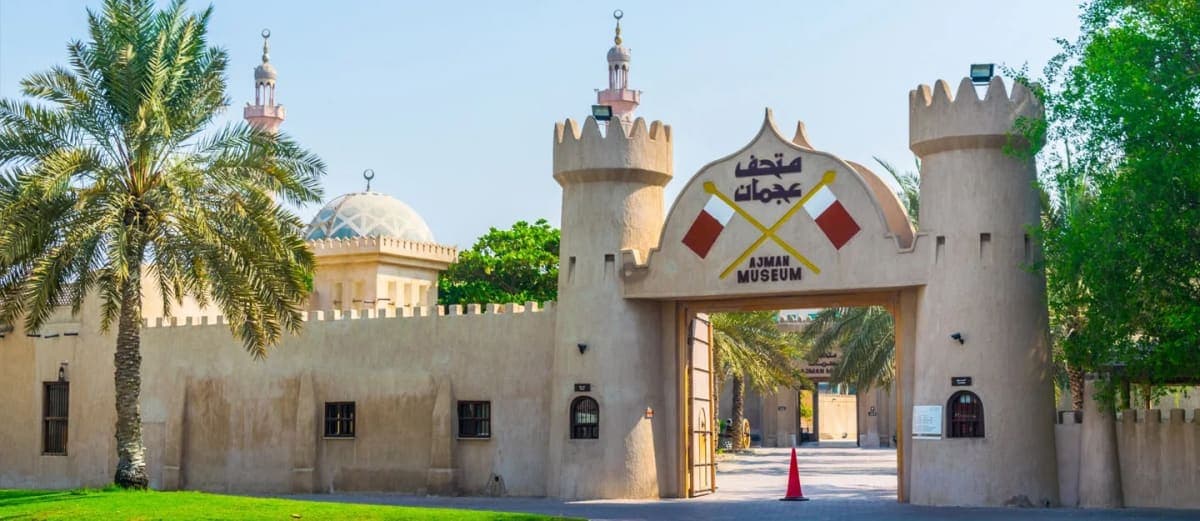
Ajman Museum is the most prominent heritage attraction in the emirate and one of the most visited Historic sites in Ajman. The museum is housed inside Ajman Fort which once served as a defensive structure and later as the ruler’s residence. Today it showcases archaeological artifacts manuscripts traditional weapons and exhibits related to pearl diving and daily life.
Visitors to this location gain valuable insight into governance and community life making it a cornerstone among Historic sites in Ajman. The fort structure itself with its thick walls and watchtowers remains intact offering a genuine historical environment.
2️⃣ 🧱 Red Fort Ajman
Red Fort is another well known landmark among Historic sites in Ajman. Located inland the fort was historically used for defense and monitoring surrounding areas. Its name comes from the reddish hue of its walls which were constructed using coral stone and local materials.
Although not converted into a museum Red Fort stands as a preserved architectural site and reflects the military planning of earlier eras. For those interested in strategic heritage Historic sites in Ajman like Red Fort provide a clear picture of regional security methods.
3️⃣ 🏯 Masfout Castle
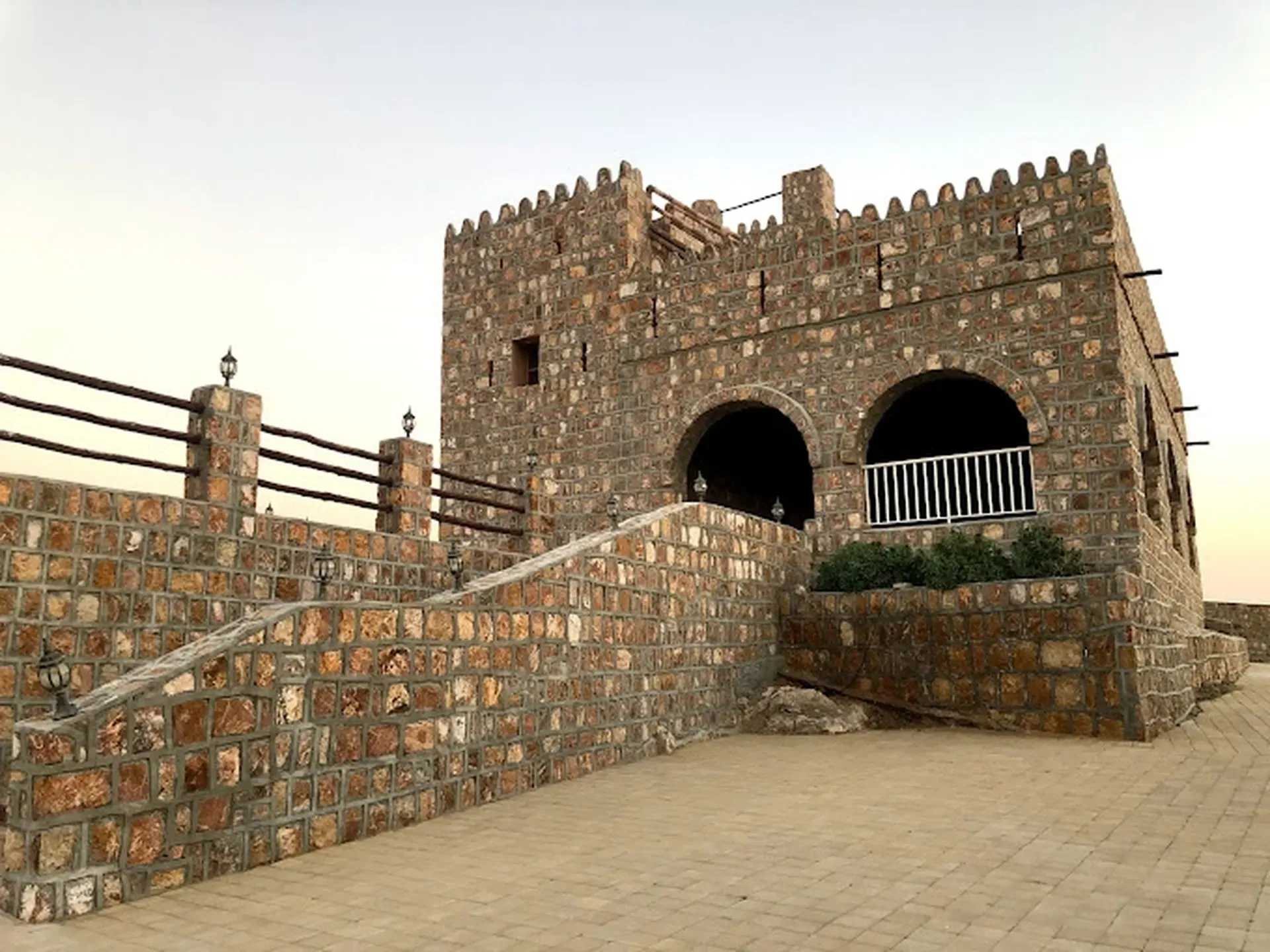
Masfout Castle is located in the mountainous enclave of Masfout which belongs to Ajman. This castle played a key role in protecting agricultural lands and local settlements. Built on elevated ground it offered a natural defensive advantage.
Among Historic sites in Ajman Masfout Castle stands out due to its geographic setting and rural heritage. The site reflects traditional fort construction adapted to mountain terrain and remains accessible to visitors interested in regional diversity within the emirate.
4️⃣ 🏺 Manama Museum
Manama Museum is situated in the Manama area and focuses on archaeological discoveries found nearby. The museum displays ancient tools pottery and remains that confirm early human settlement in the region.
As one of the educational Historic sites in Ajman this museum helps visitors understand prehistoric and early historic periods. The exhibits are based on confirmed archaeological findings making it a reliable source of historical knowledge within the network of Historic sites in Ajman.
5️⃣ ⚓ Ajman Dhow Yard Heritage Area
The Ajman Dhow Yard is one of the last operational traditional boat building areas in the UAE. While it continues to function commercially it is also recognized as a cultural heritage zone.
This area represents living history and qualifies among Historic sites in Ajman because it preserves traditional craftsmanship techniques passed down through generations. Observing dhow construction offers a rare glimpse into maritime heritage linked to trade and fishing which were vital to Ajman’s past.
6️⃣ 🕌 Sheikh Rashid bin Humaid Al Nuaimi Mosque
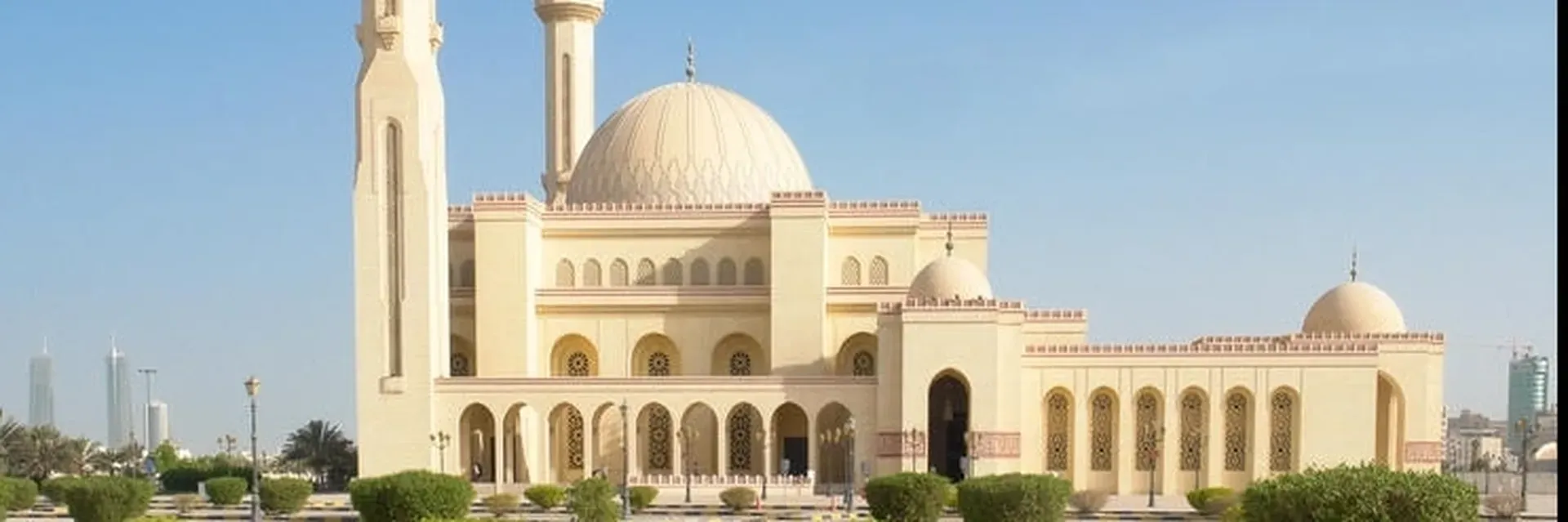
This mosque is an important religious and historical landmark in Ajman. Named after a former ruler it reflects traditional Islamic architecture and community centered design.
Religious landmarks also form part of Historic sites in Ajman when they carry cultural and historical significance. The mosque continues to serve worshippers while also standing as a symbol of Ajman’s leadership history and architectural heritage.
7️⃣ 🗼 Al Zorah Watchtower Ruins
The Al Zorah area contains remains of old watchtowers that were once used to monitor coastal activities. These ruins indicate the importance of coastal defense and trade monitoring.
Though modest in appearance, such locations are valuable Historic sites in Ajman because they highlight everyday defensive measures rather than grand structures. These remains are preserved and recognized for their historical relevance.
8️⃣ 🏘️ Traditional Heritage Areas in Ajman
Certain older neighborhoods in Ajman still retain traditional layout and architecture including coral stone houses and narrow pathways. These areas are protected under heritage preservation initiatives.
Walking through these zones offers an immersive experience of daily life in earlier decades. Such neighborhoods are essential Historic sites in Ajman as they represent social history beyond monuments and museums.
Conclusion
Ajman’s heritage is preserved through carefully maintained landmarks that reflect governance religion defense trade and daily life. From forts and museums to living heritage areas Historic sites in Ajman offer verified and meaningful experiences for visitors in 2026. Each location mentioned in this guide is officially recognized and grounded in documented history. Exploring Historic sites in Ajman allows visitors to appreciate the emirate’s identity and cultural continuity. Whether you are a resident or a traveler Historic sites in Ajman provide a deeper connection to the UAE’s past while remaining relevant in the present.
Also Read: Powerful Insights Into the Most Common Small Businesses in Al Ain
Image Credits: The featured image has been taken from HiDubai